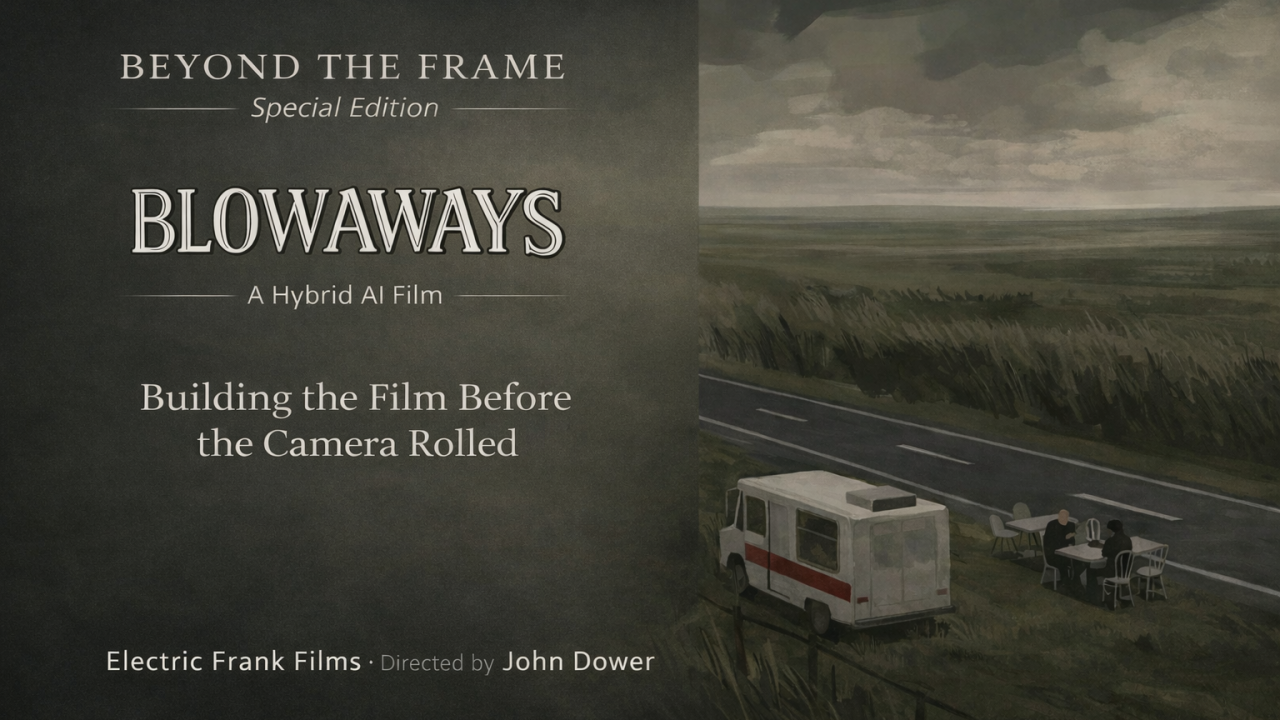
Building the Film Before the Camera Rolled – A Hybrid AI Workflow for Blowaways
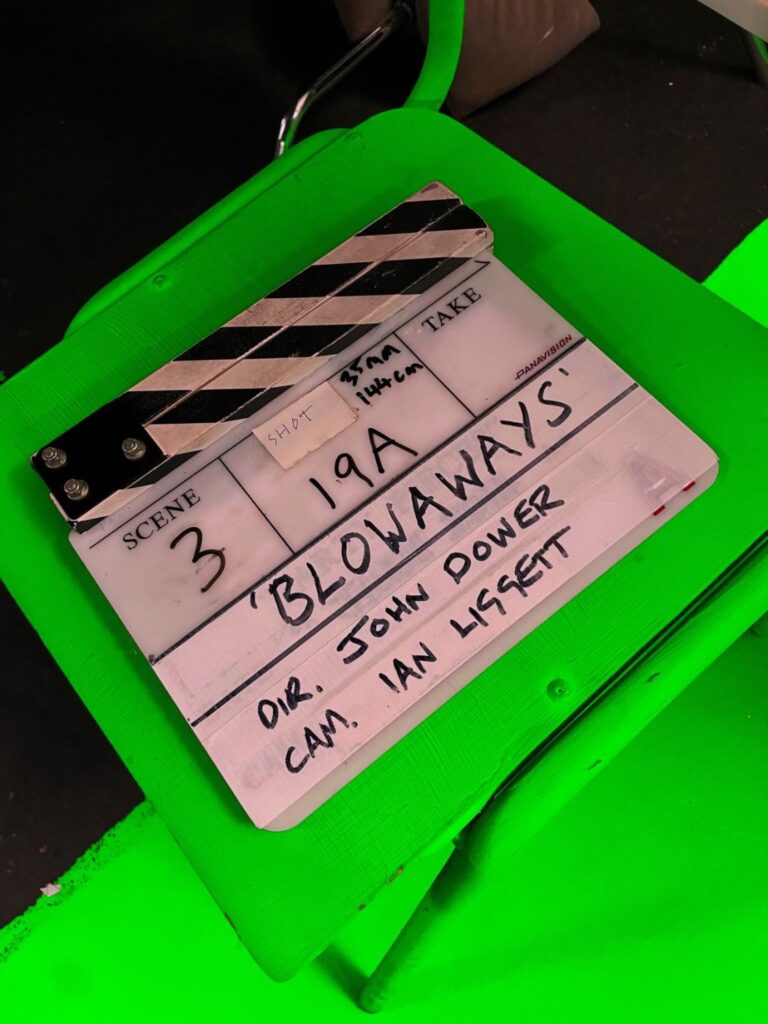
During my recent visit to London, while meeting the cast and crew of Blowaways, one thing stood out clearly – when a film is understood visually before the shoot, every department moves with confidence.
This project followed a Hybrid AI workflow, meaning AI was used alongside traditional filmmaking and VFX techniques to support clarity, alignment, and preparation well before production began. One of the key highlights of the project was the integration of AI into both the storyboarding process and the development of the film’s final visual look.
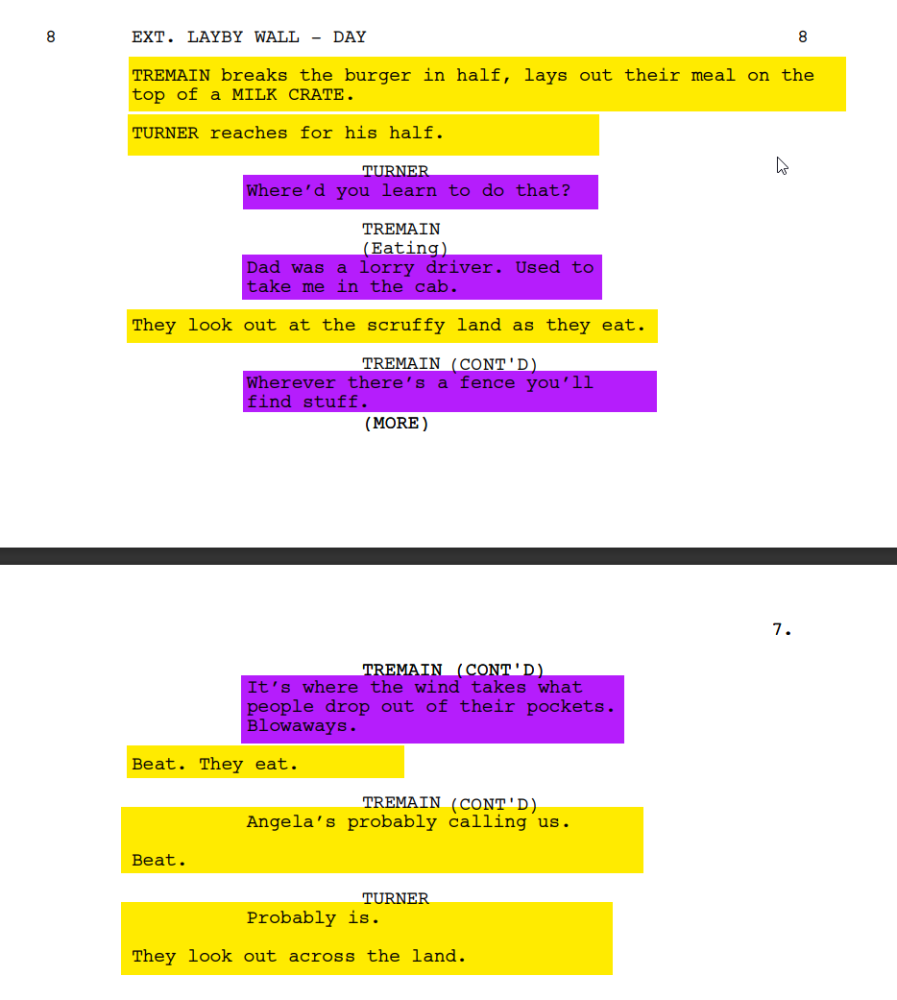
From Script to Visual Intent
Every frame began with the script. Before any tools were introduced, the story, emotional beats, and narrative intent were clearly defined. Director’s notes played a crucial role in translating written scenes into mood, scale, pacing, and cinematic language.
These notes became the foundation upon which all visual decisions were built.
Fig: Property of Electric Frank Films
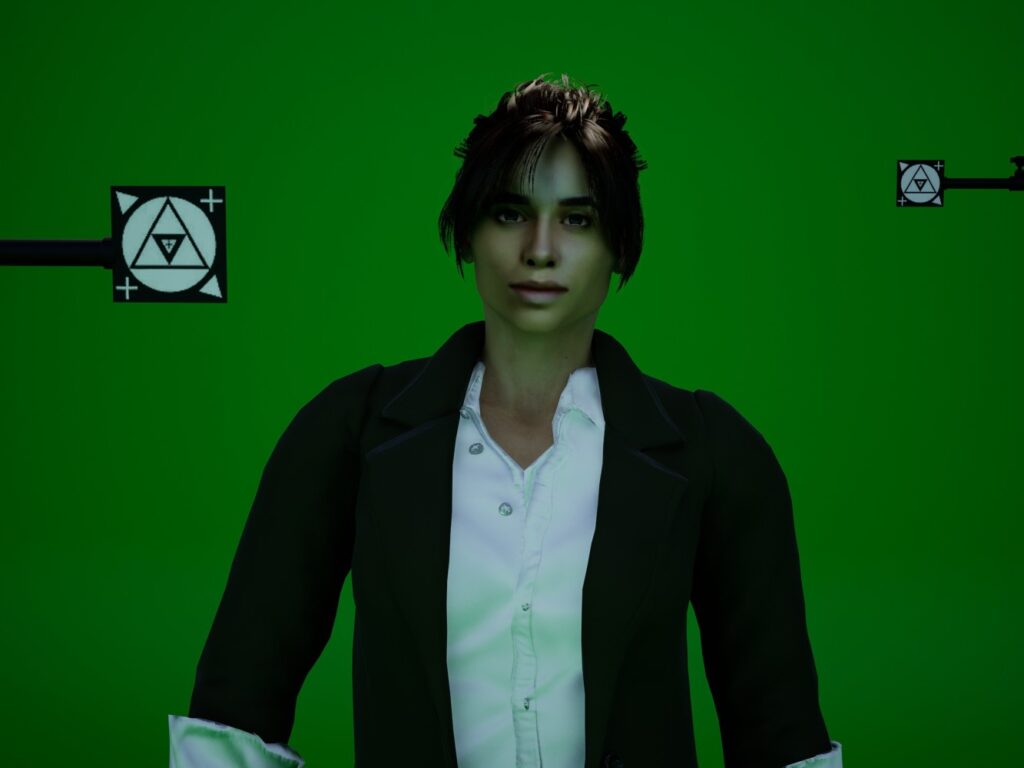
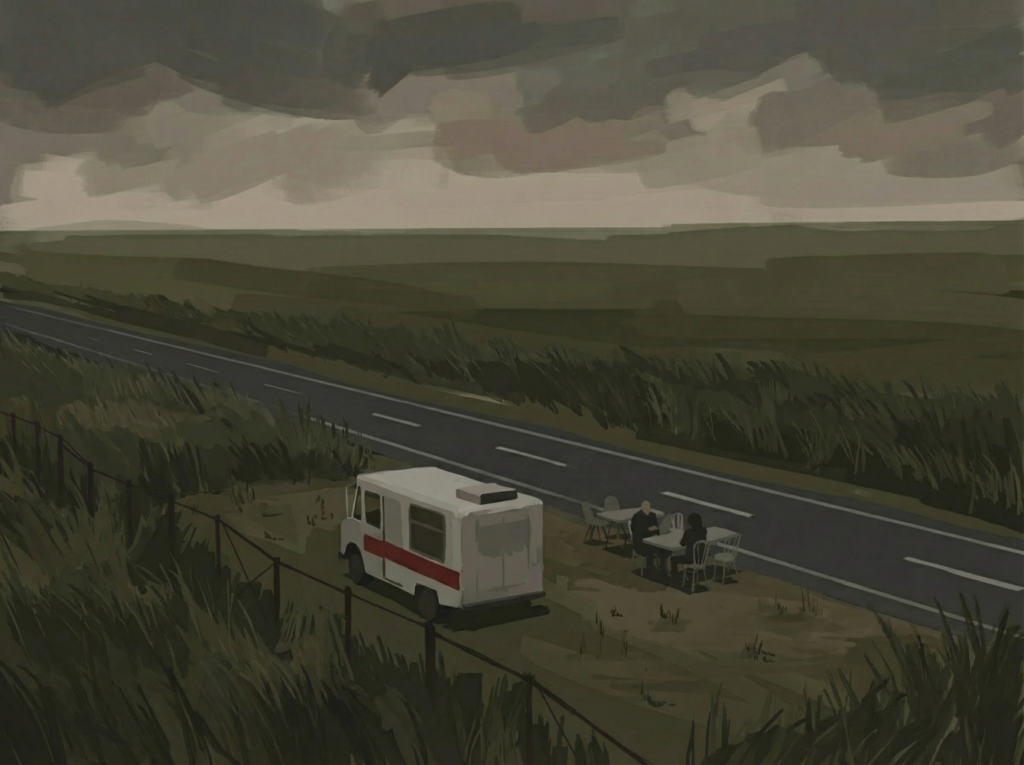
Storyboarding – AI-Assisted, Director-Led
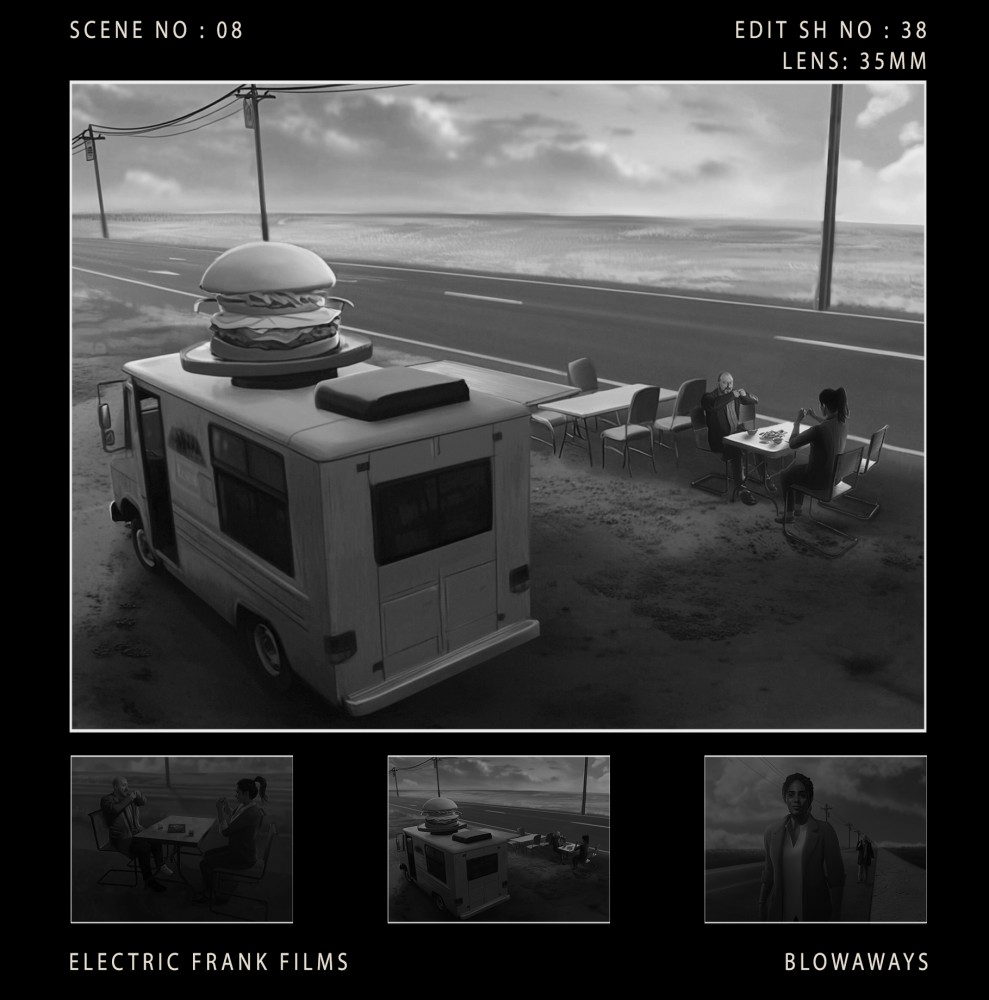
At Wild Visual Effects Pvt Ltd AI was integrated into the storyboarding phase to explore visual interpretations of key scenes quickly, while remaining firmly guided by the director’s intent.
This approach allowed us to:
Explore multiple framing and composition options
Refine mood and scale early in the process
Arrive at stronger, more informed storyboard frames
The result was a storyboard that clearly communicated the film’s visual language across departments.
Fig: Property of Electric Frank Films
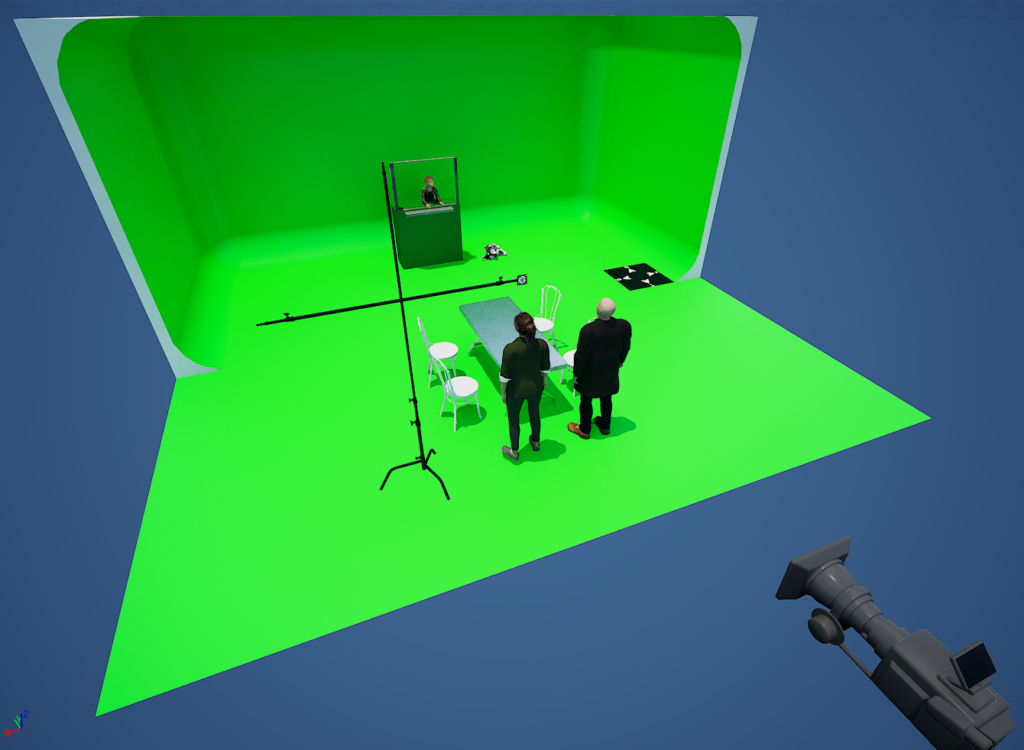
Pre-Visualization – Seeing the Film Early
Building on the AI-assisted storyboards, pre-visualization helped refine camera movement, shot continuity, and pacing.
Sequences were visualized in advance, enabling the Director and DOP to make confident decisions on camera placement, lenses, and movement – well before stepping on set. Instead of reacting on set, choices were already guided by intent.
Even lighting direction was defined during pre-visualization, allowing the Director and DOP to align early on mood, contrast, and light motivation before the shoot.
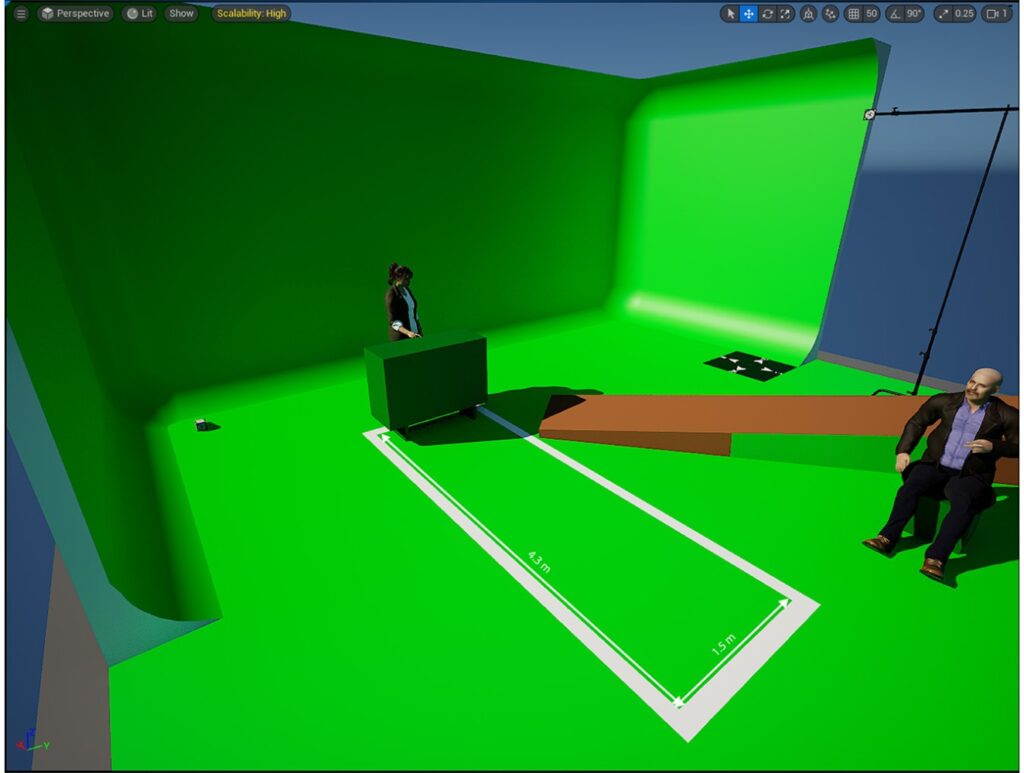
VFX Shoot Planning – Designing for the Final Visual Look
With the visual language established, VFX shoot planning by Wild Visual Effects Pvt Ltd focused on how the final visual look of the film would come together.
Traditional VFX planning techniques, helped define:
Exact framing and camera data
Required plates and references
What needed to be built practically versus digitally
This gave the Art Department clear boundaries and provided production with full visibility into post-production requirements – minimizing surprises later.
Fig: Property of Electric Frank Films
Fig: Property of Electric Frank Films
Fig: Property of Electric Frank Films
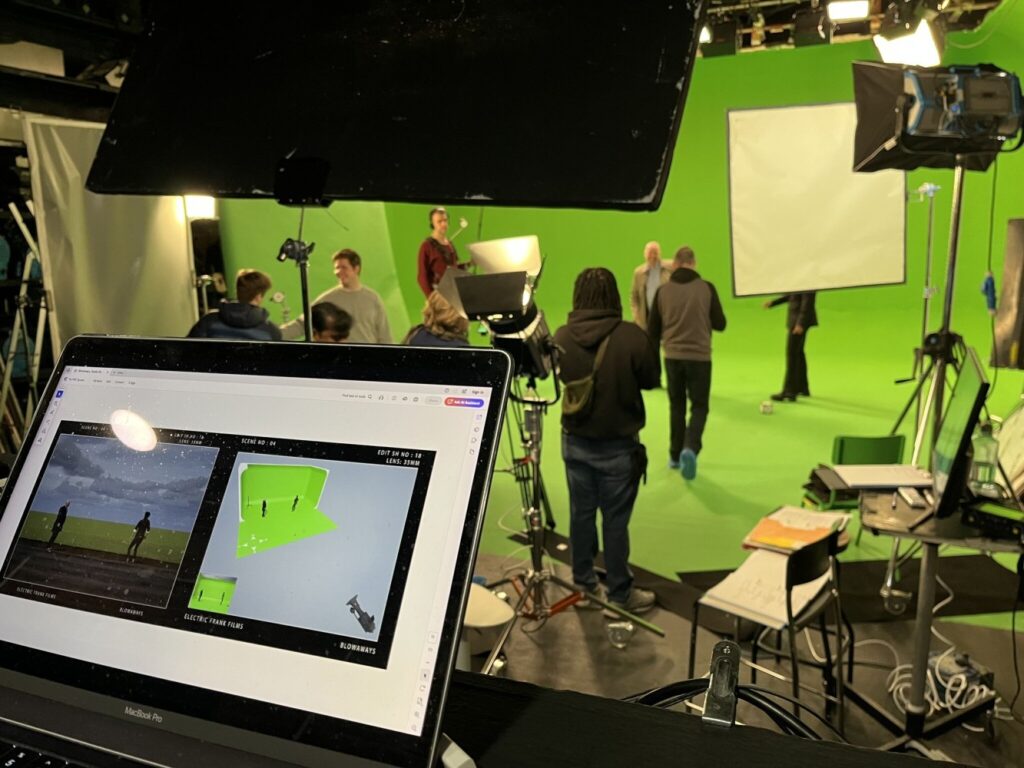
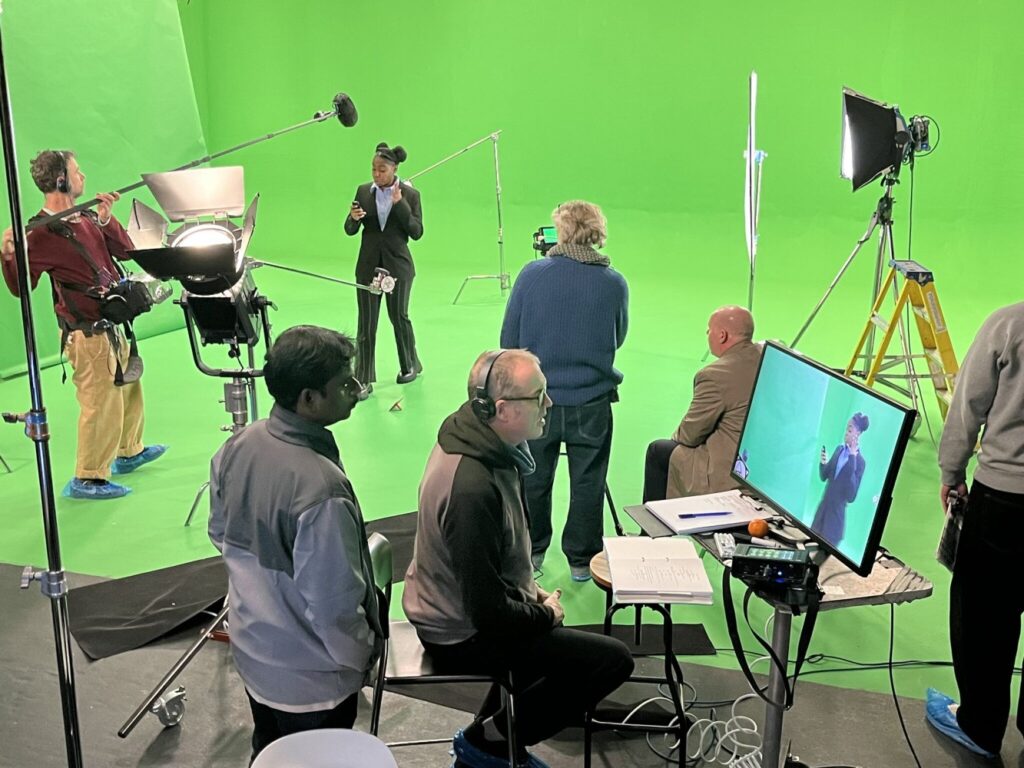
On Set – Executing with Clarity
Because the film was visualized early, the shoot progressed with focus and confidence. All departments worked from a shared visual reference, allowing creative decisions to happen faster and execution to remain aligned with the intended final look.
Preparation translated directly into smoother production and a more predictable post-production process.
Fig: Property of Electric Frank Films
Fig: Property of Electric Frank Films
Fig: Property of Electric Frank Films
Fig: Property of Electric Frank Films
What This Hybrid AI Workflow Enabled
AI-assisted storyboarding aligned with the director’s vision
Early definition of the film’s final visual language
Strong collaboration between Director, DOP, Art, and VFX teams
AI was used specifically in storyboarding, VFX, and defining the final visual look of the film, while traditional filmmaking and VFX techniques ensured craft, control, and cinematic precision
Fig: Property of Electric Frank Films
London Reflections
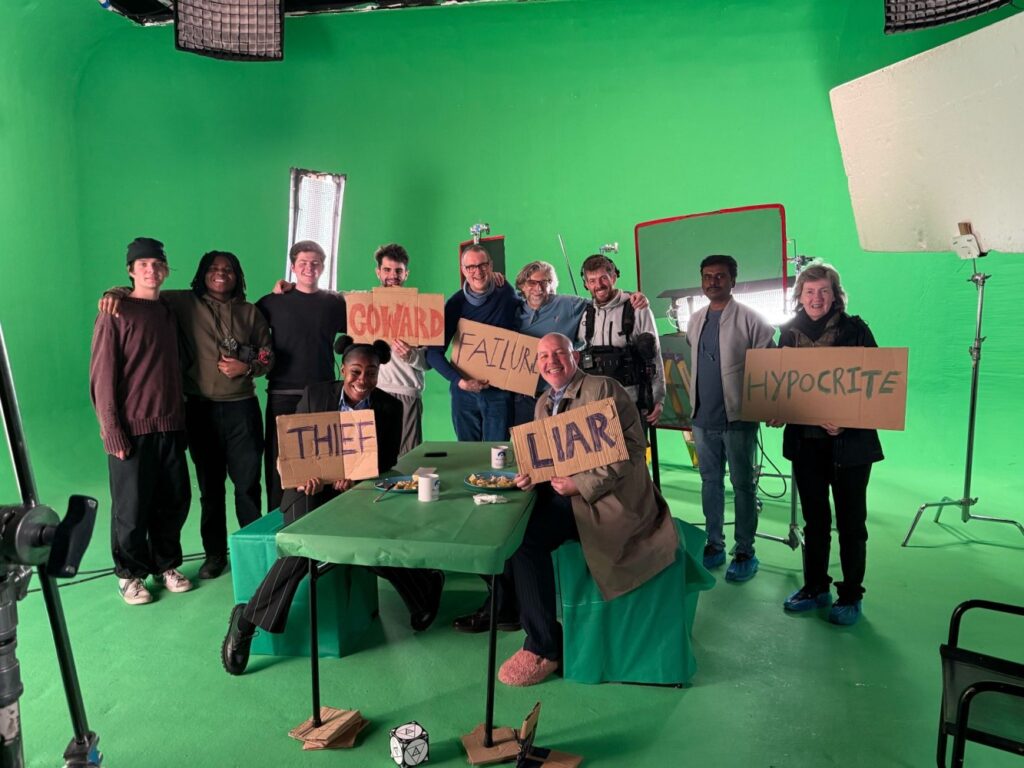
Meeting the Blowaways team in London reinforced a simple truth: great films are built on conversations, trust, and preparation – long before production begins.
A Personal Note from London
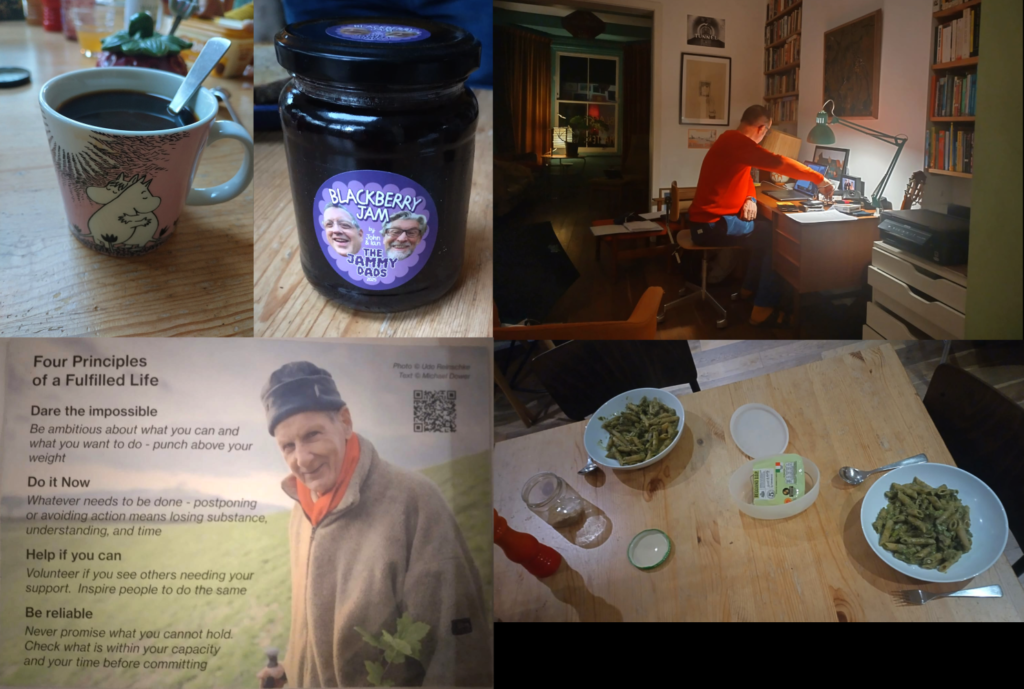
During my visit, I was warmly hosted by Director John Dower at his home. Away from sets and meeting rooms, these moments offered space for open conversations – not only about storytelling and process, but also about family, travel, friendships, and life beyond filmmaking.
A few quiet clicks from these moments remain as personal memories, reminding me that filmmaking is built as much on human connection as it is on craft. These moments beyond the frame often shape the work as deeply as anything planned on paper.